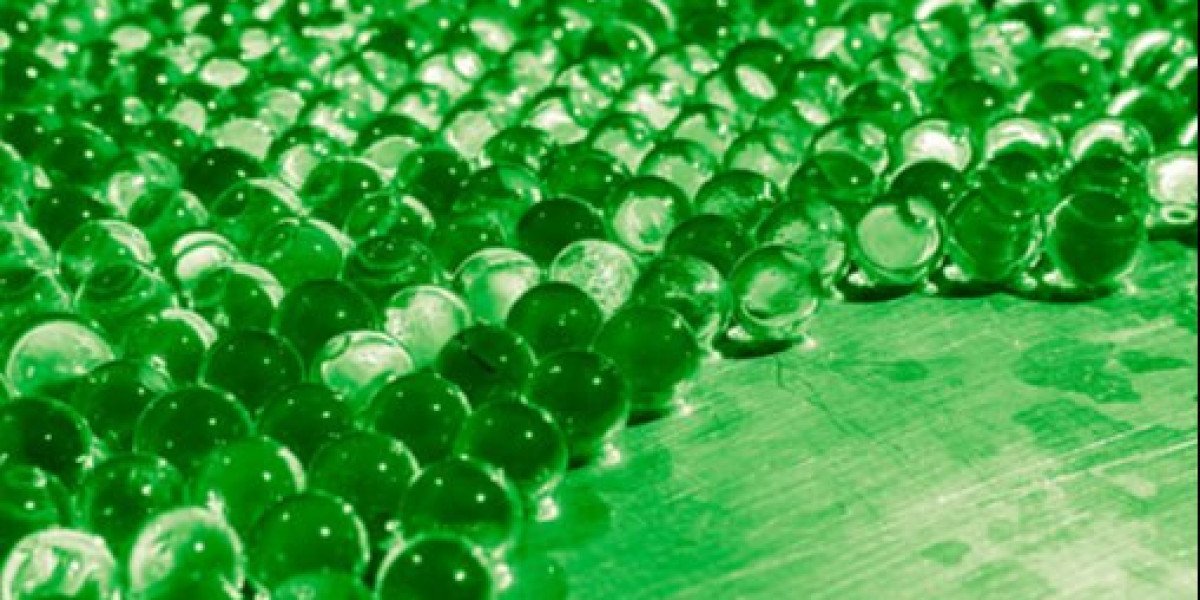

The green silica market is on the verge of a remarkable transformation, with projections indicating substantial growth in the coming years. By 2035, the market is anticipated to swell from USD 1.353 billion in 2024 to a staggering USD 3.548 billion, fueled by a robust compound annual growth rate (CAGR) of 9.16%. This growth is reflective of a broader shift towards sustainability, where industries are increasingly leaning towards eco-friendly materials. The factors driving this transition are varied; however, enhanced regulatory support and heightened consumer awareness play pivotal roles. The market is witnessing a dynamic evolution as various sectors recognize the need for greener alternatives, making it a critical area for investment and development. The green silica market Overview offers an in-depth perspective on these developments.
Key industry participants such as Evonik Industries AG (DE), Wacker Chemie AG (DE), and Solvay S.A. (BE) are at the forefront of this market transformation. Their commitment to sustainability and innovative product offerings positions them as leaders in the green silica sector. Additionally, companies like Huntsman Corporation (US) and Ferro Corporation (US) are actively pursuing advancements in sustainable materials. Kraton Corporation (US), Mitsubishi Chemical Corporation (JP), and Tokuyama Corporation (JP) are also making significant strides, ensuring that the competitive landscape is rife with innovation. As consumer preferences shift toward eco-friendly solutions, these companies are strategically aligning their operations to capture market share. The North American market remains dominant; however, the Asia-Pacific region is rapidly emerging as a vital player, buoyed by increasing demand for sustainable materials The development ofgreen silica market Overviewcontinues to influence strategic direction within the sector.
Several dynamics are driving the green silica market's evolution. One key driver is the growing regulatory emphasis on sustainable practices across various sectors. Governments worldwide are enacting environmental policies that encourage the use of green materials, driving demand for products like green silica. Furthermore, as consumers become more environmentally conscious, their purchasing decisions increasingly favor sustainable products, further enhancing demand. As a result, industries are compelled to adopt greener alternatives in their supply chains. This increasing focus on sustainability is complemented by advancements in technology, which enable more efficient production processes and improve the material's performance characteristics. However, challenges persist, particularly the initial costs associated with transitioning to green silica. Companies must carefully navigate these financial considerations to ensure competitive pricing while promoting sustainable practices.
The regional dynamics of theGreen Silica Markethighlight distinct trends. North America continues to lead, predominantly due to its robust regulatory environment and established sustainability initiatives. Manufacturers in this region are investing heavily in green silica products to comply with regulations while meeting consumer expectations. Conversely, the Asia-Pacific region is witnessing unprecedented growth, driven by rapid industrialization and a burgeoning demand for eco-friendly alternatives. This region's market is set to expand significantly, with companies capitalizing on the increasing emphasis on sustainability in manufacturing practices. The rubber segment remains the most significant application area; however, the plastics segment is rapidly gaining ground, showcasing the versatility of green silica across varied industries. These regional insights are critical for stakeholders seeking to navigate the complexities of this evolving market landscape.
Opportunities within the green silica market are abundant, with emerging trends pointing towards increased investments in sustainable practices. According to recent studies, about 65% of consumers are willing to pay a premium for eco-friendly products, which showcases the market's potential for growth. Companies prioritizing innovation and sustainability are well-positioned to capture a growing share of the market. The rise in consumer demand for environmentally friendly products presents a dual opportunity for growth and market penetration. Furthermore, the global green silica market is projected to grow at a rate of 9.16% annually, indicating a strong alignment between market demand and sustainability trends. Moreover, investing in research and development initiatives can lead to groundbreaking solutions that cater to niche applications. The collaboration between various stakeholders, including manufacturers and regulatory bodies, can facilitate the establishment of standards that enhance product credibility and market acceptance. This collaborative approach is essential in maximizing the potential of green silica in upcoming years.
As we look towards 2035, the green silica market is poised for transformative growth. Projections indicate that the market could reach an impressive USD 3.548 billion, highlighting the sector's potential as industries increasingly adopt sustainable practices. Technological advancements will likely play a significant role in shaping future developments, with companies focusing on improving material properties and expanding application ranges. Stakeholders must remain adaptable, ready to embrace new trends and consumer demands as they arise. The evolving landscape promises substantial opportunities for those who align their strategies with sustainability and innovation.
Here are additional report links from Market Research Future:
| mercerized cotton market |
| microfiber synthetic leather market |
| morpholine market |
| near infrared absorbing material market |